

How to Choose the Right Foundation Shade Based on Your Skin Undertone
Ever spent ages hunting for the perfect foundation, lipstick, or blush—only to be disappointed once you apply it? The texture, formula, and color payoff check every box, but once blended, your carefully planned makeup look falls flat. The shade just feels wrong. “What happened? I picked all the right colors!” you might think. Then you notice three little words: neutral, warm, and cool. You may wonder: what do these terms actually mean? And do they affect not just your foundation choice, but your lipstick and blush shades too? The key is learning how to choose foundation according to your skin tone.
When selecting foundation, always match it to your skin undertone.
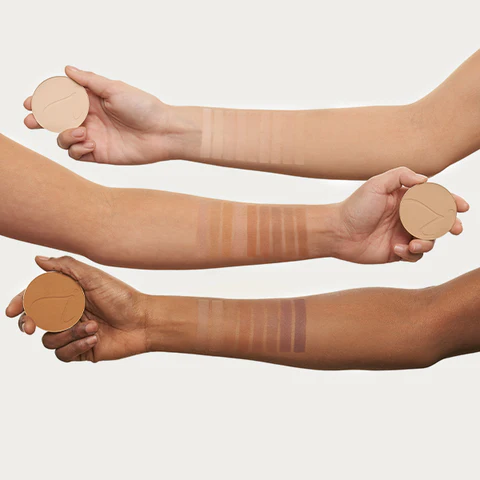
What Is an Undertone?
Neutral, warm, and cool describe your skin’s undertone—a factor just as important as your surface skin color. Your undertone is the subtle hue beneath the top layer of skin that influences your overall complexion. There are three main undertones: neutral, warm, and cool.
- Neutral undertones feature a balance of warm and cool tones, meaning they shift easily between blue and orange-based shades.
- Warm undertones lean peachy, golden, or yellow. Complexions with warm undertones look best in warm hues like terracotta, coral, and gold.
- Cool undertones typically have blue or pink hints. Makeup shades that flatter cool undertones include blue-based reds, pinks, and purples.
How to Find Your Undertone
Your next question is likely: what is my undertone?
Here are three common methods to determine your skin undertone:
The Vein Test
First, look at the veins on the inside of your wrist. If your veins appear blue, you likely have a cool undertone. If they look green, you have a warm undertone. This test can be trickier for neutral undertones, since they blend both warm and cool hints. If the vein test feels unclear, try one or both of the following methods.
The White vs. Cream Test
Hold a piece of pure white fabric next to your face, then repeat with an off-white or cream fabric. If white suits you better, you have warm undertones. If cream is more flattering, or if white washes you out, you have cool undertones. If both shades look good, you have neutral undertones.
The Jewelry Test
This is often the quickest method. Generally, cool undertones pair best with silver jewelry, while warm undertones complement gold jewelry. Neutral undertones can wear both silver and gold beautifully.
One important note: never confuse skin depth with skin undertone. Even the fairest skin can have warm undertones, and deeper skin can have cool undertones. While your surface skin may darken with sun exposure, your undertone remains the same forever.
Now that you understand undertones and how to identify yours, the Jane Iredale Quick Match Chart is your foolproof tool for choosing foundation. Searching for the best foundation for cool undertones? This handy chart categorizes shades by skin depth and further breaks them down by undertone, marked N for neutral, W for warm, and C for cool. You can also find your perfect foundation match using our Foundation Finder quiz.
We hope these tips help you pick the right makeup products—and don’t forget to have fun with your makeup routine! Need help choosing foundation for your specific skin type? Check out our guide on finding the best foundation for dry, oily, combination, and other skin types.