
The Ocean Planet: Why Earth’s Oceans Matter More Than We Think
Earth has always felt like a miracle. Over 71% of its surface is covered in water, and about 96.5% of that is ocean. In many ways, we don’t live on a “land planet” at all—it’s truly an ocean world, with land simply rising above the surface.
How did we get so lucky to live on a planet capable of sustaining both land and vast oceans? Where did all this water come from? Scientists have theories, but no definitive answers. While evidence suggests that other planets may also contain water, Earth remains the only known planet with stable liquid water on its surface. This is largely due to its position in the habitable zone—far enough from the sun to prevent evaporation, yet close enough to avoid freezing—combined with the right gravitational conditions to hold water in place.
While space exploration captures global attention, we still know surprisingly little about the oceans that sustain life here on Earth. Some experts have even pointed out that funding for studying Earth’s oceans is only a fraction of what is spent on space research. It raises an important question: could there be anything more valuable to understand than the planet we already call home?
Why Coral Reefs Are Essential to Life on Earth
If we truly want to protect our planet, we must first understand it—and coral reefs are one of the most critical ecosystems to study and preserve.
Often referred to as the “rainforests of the ocean,” coral reefs support approximately 25% of all marine life. These vibrant ecosystems provide shelter, food, and breeding grounds for countless species. From tiny fish to complex marine organisms, life thrives within the intricate structures formed by coral.
The Great Barrier Reef is a powerful example. Stretching over 1,400 miles, it is the largest living structure on Earth and can even be seen from space. It supports billions of marine organisms and plays a crucial role in maintaining ocean biodiversity.
The Human Impact: Why Coral Reefs Matter to Us
Coral reefs are not only vital for marine life—they are essential for human survival.
- Coastal protection: Reefs act as natural barriers, reducing the impact of storms and preventing coastal erosion.
- Food and income: Over 500 million people rely on coral reefs for food, jobs, and economic stability.
- Economic value: Coral reef ecosystems contribute billions of dollars globally each year.
Without healthy reefs, coastal communities would face increased environmental and economic risks.
Threats Facing Coral Reefs Today
Despite their importance, coral reefs are under severe threat.
Climate change is one of the biggest drivers, causing ocean temperatures to rise and leading to coral bleaching—a process that weakens and often kills coral. Between 2014 and 2017, unusually warm waters affected nearly 70% of coral reefs worldwide. In some regions, entire reef systems have been significantly damaged.
Other major threats include:
- Pollution and agricultural runoff
- Unsustainable fishing practices
- Plastic waste
- Habitat destruction
These factors are pushing coral ecosystems to a critical tipping point.
How You Can Help Protect the Oceans
Protecting coral reefs doesn’t require living near the ocean—small actions can make a global impact.
- Choose environmentally friendly products, including reef-safe sunscreen
- Reduce plastic use and recycle responsibly
- Support sustainable seafood choices
- Avoid purchasing coral-based jewelry or decorations
- Participate in local environmental or cleanup efforts
Even everyday decisions—like the products we use—can eventually affect ocean ecosystems.
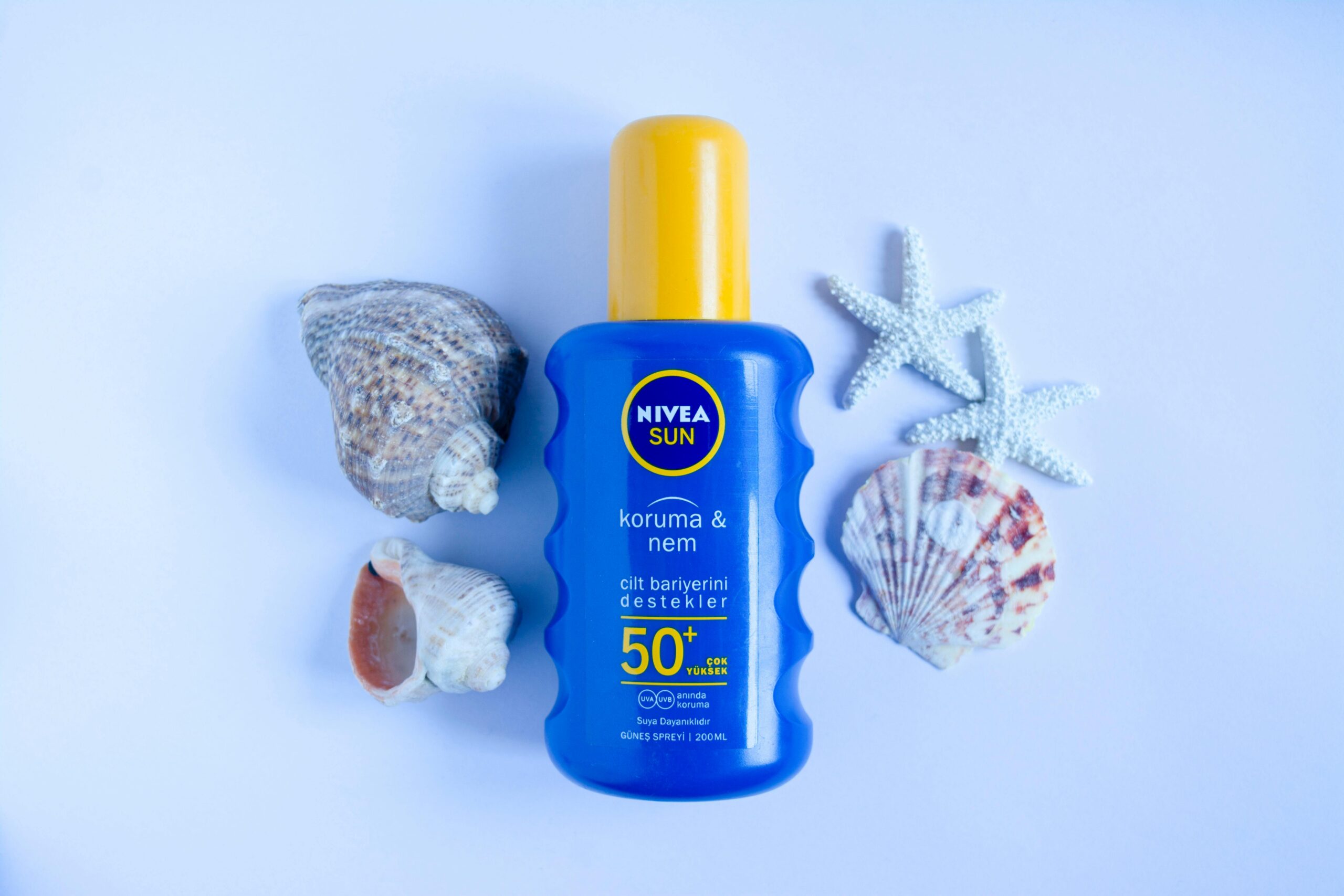
Reef-Safe Sunscreen: A Small Change That Matters
Many common sunscreen ingredients, such as oxybenzone and octinoxate, have been shown to harm coral reefs. These chemicals can disrupt coral reproduction, damage DNA, and accelerate bleaching.
Safer alternatives include mineral-based sunscreens with:
- Zinc oxide
- Titanium dioxide
While SPF levels indicate protection against UVB rays, higher SPF often requires more chemical ingredients. Choosing a balanced, reef-safe option helps protect both your skin and marine ecosystems.
Final Thoughts
The ocean is not just a backdrop to life on Earth—it is the foundation of it. From regulating climate to supporting biodiversity and human communities, its importance cannot be overstated.
As we continue to explore space, it’s equally important to deepen our understanding of the world beneath the waves. Protecting our oceans starts with awareness—and every small step brings us closer to preserving this extraordinary planet.